Can DBT therapy support trauma recovery and prepare you for EMDR? By Your Trauma Therapist

Let’s be real: trauma isn’t a cute rom-com plot twist, and it doesn’t resolve after a few days. You know how it is, one day you’re living your life, and the next, you’re blindsided by memories or feelings you wish you could ghost. Maybe you’re snapping at people for no reason, or you’re so numb it feels like you’re starring in someone else’s movie. If this sounds familiar, you’re not alone, and no, you can’t just watch TikToks for days at a time to fix it. But you can take steps to heal. Let’s talk about how Dialectical Behavior Therapy (DBT) can help you rewrite your story, one skill at a time.
First, let’s get specific. Trauma can show up in your life like an ex who refuses to stop texting: intrusive thoughts, flashbacks, nightmares, panic attacks, or even physical symptoms like headaches and stomach aches. You might avoid certain places, people, or situations that remind you of what happened. Emotionally, it’s a rollercoaster: anger, shame, fear, sadness all demanding your attention at once. Some days, you might feel disconnected from your body, your mind, or the people around you. It’s not just “in your head”; trauma leaves a mark on your mind and body.
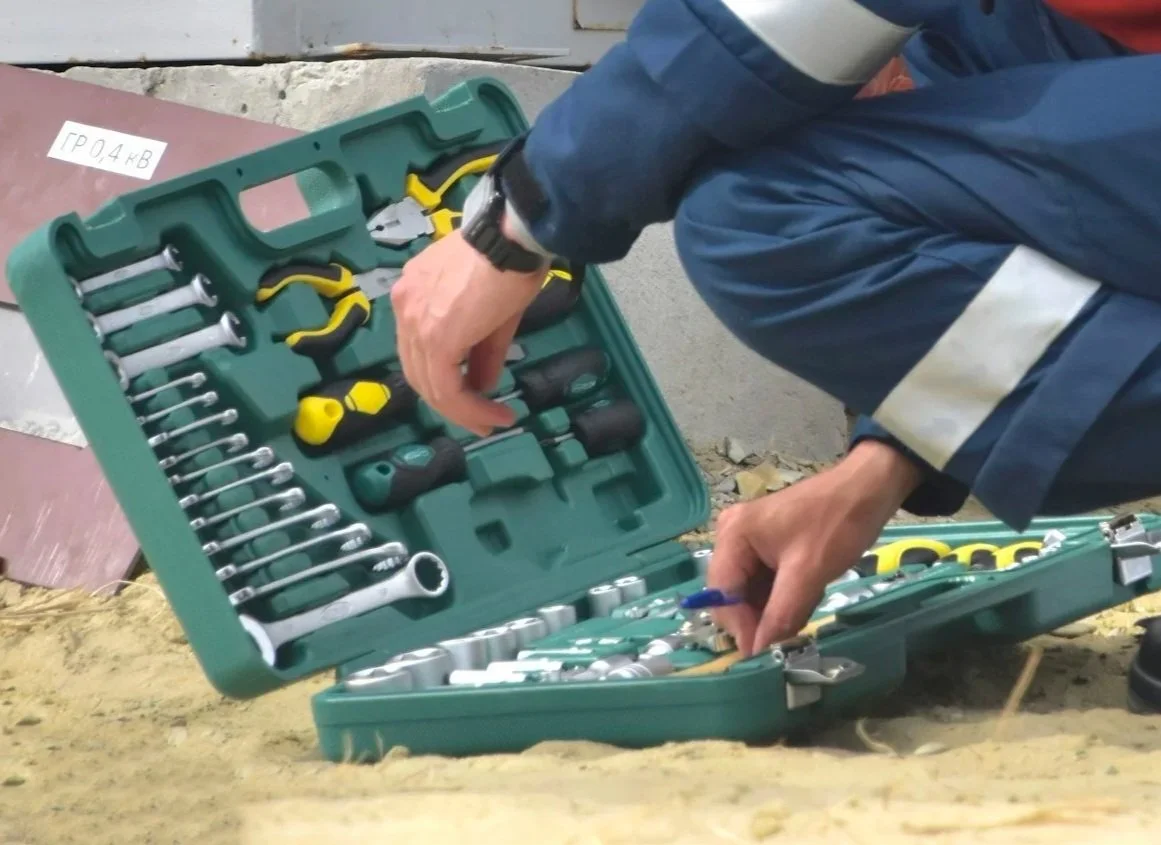
So, what can you actually do about it? That’s where DBT swoops in. Think of it as your emotional toolkit, curated by someone who knows how to survive childhood trauma, an abusive relationship, humiliation, life changes, natural disaster, shooting, car wreck, or, yes, even an oilfield explosion. Here’s how DBT targets those symptoms:
Mindfulness is your backstage pass to the present moment. You know those flashbacks that yank you out of reality? Mindfulness helps you notice, “Hey, I’m here now,” without judging yourself for what you’re feeling. By grounding you in the now, mindfulness makes intense moments, like panic attacks, less overwhelming. You learn to observe your thoughts and sensations without getting swept away by them. It’s like watching a scene unfold without getting caught up in the chaos.
Distress Tolerance is your go-to for surviving emotional stressors without making things worse. Instead of reaching for old habits (hello, ice cream binge or angry texts), distress tolerance teaches you skills like self-soothing, distraction, or creating a mental “safe place.” These tools help you get through the hardest moments, think: the emotional equivalent of getting through a bad date without self-destructing. Over time, you get more confident in your ability to ride out the storm.
Emotion Regulation is about understanding and managing those big feelings trauma stirs up. Maybe you’re overwhelmed by anger, shame, or fear. DBT helps you identify what you’re feeling, figure out where it’s coming from, and choose healthier ways to respond. Instead of bottling up emotions or exploding, you learn to name them and take care of yourself. It’s like being the editor of your own emotional script.
Interpersonal Effectiveness is all about relationships. Let’s face it: trauma can make trusting people feel impossible. DBT teaches you how to ask for what you need, set boundaries, and resolve conflicts. It helps you build and keep healthier connections, so you’re not stuck in toxic dynamics or feeling isolated. You get to rewrite the “supporting cast” in your life story.
How does DBT fit into trauma treatment? It’s not just about skills, it’s about validation. In DBThow to ask, your experience is affirmed. You’re not “crazy” or “too much.” That validation melts away shame and creates a sense of safety, so you can start healing. DBT is structured in stages: first, you build stability and learn skills (Stage 1), then you process trauma memories (Stage 2) (coupled with EMDR, this is a very powerful, important step. You cannot dive into the hard stuff until you’ve got the tools to handle it). DBT also combines body-based (bottom-up) approaches, such as body scans, to process physical symptoms with cognitive (top-down) strategies to address thoughts and beliefs. Plus, it’s flexible enough to tackle co-occurring issues like anxiety, depression, or substance use.
The benefits? Fewer flashbacks and nightmares. Less avoidance. More control over your emotions. Better relationships. More confidence. DBT helps you manage overwhelming symptoms, build stability, and weave validation into every step. This gives you the resilience to manage triggers, process memories, and reconnect with others. It’s a structured path that balances acceptance and change, so you can take back your narrative, one skill (and one day) at a time. And you don’t have to do it alone Southern Pine Counseling will help you every step of the way.