Reclaiming Peace: Break Free from News Cycle Trauma and Protect Yourself from News Stress
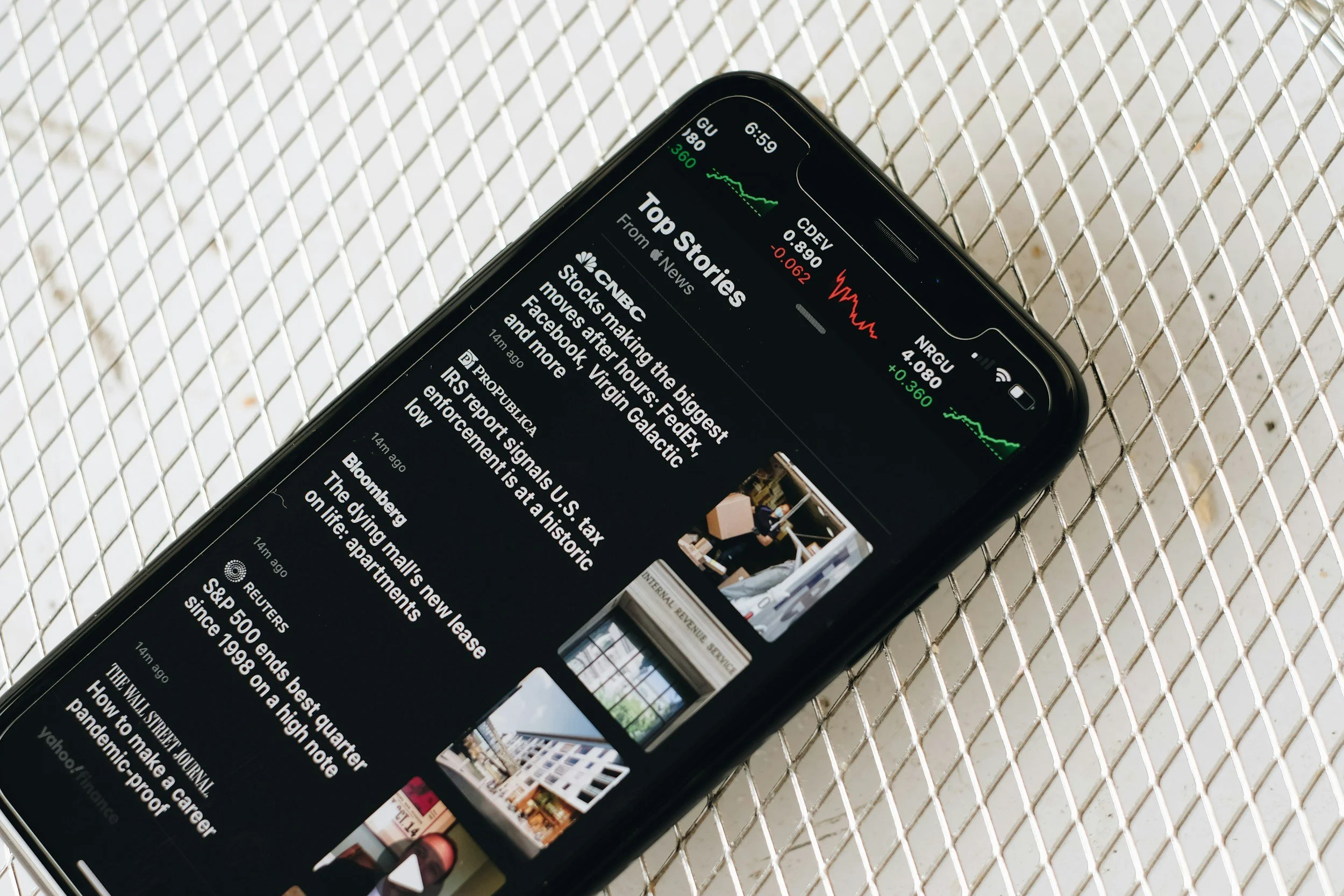
Let’s talk about something that’s been buzzing around and more than likely creeping into your headspace: streaming the news. The constant stream of updates and alerts? ...It's like that gray cloud that follows you around. You might not realize it, but the way you consume news is doing a number on your mental health.
Picture this: every time you click on another article filled with doom and gloom, your body is like, “Uh-oh, time to stress out!” Your body's stress response kicks in, and suddenly, you're flooded with hormones like cortisol and adrenaline. Sure, they’re great for a burst of energy, like when you're trying to impress a date, but when they linger, it’s not so cute. You might find yourself pacing back and forth, feeling fatigued, irritable, or just downright restless. Not exactly the vibe you want to bring to your next dinner conversation, right?
And let’s not even get started on that relentless 24/7 news cycle. It causes you to spin out, like a hamster wheel of anxiety, making you hyper-aware of every little thing going on in the world, even when the actual risks are pretty low. You’re scrolling and scrolling, and before you know it, that sense of impending doom is creeping in. You’re feeling helpless, and it’s not just the news; it’s the habit of endlessly consuming it that really does a number on your head.
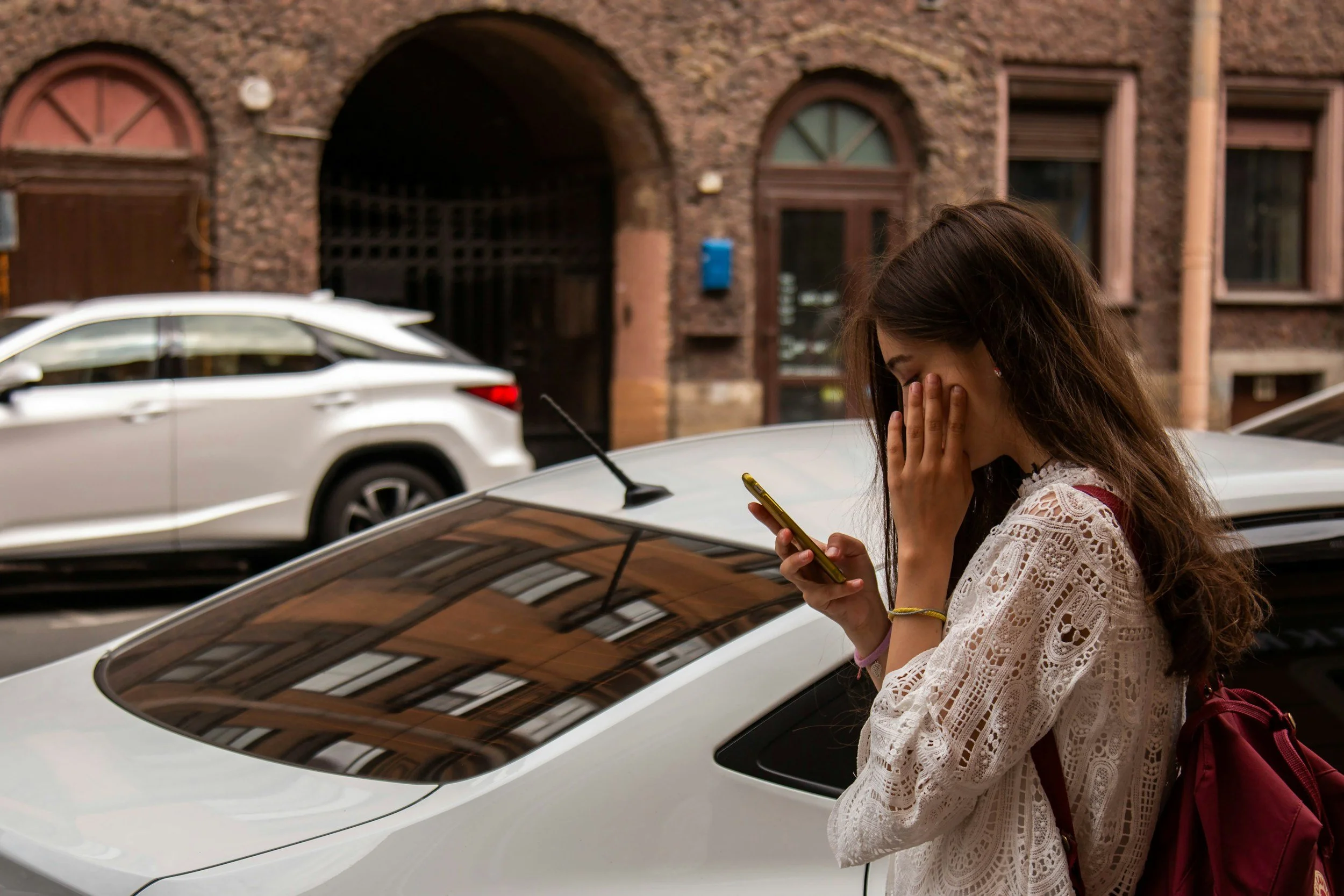
Watching all those graphic, traumatic events on your screen can put you at risk of vicarious trauma. When you're sipping your latte and staring at your phone, your brain is absorbing everything you set your eyes on. It is a one-way ticket to feeling like you're carrying the weight of the world on your shoulders.
Checking your notifications right before bed is a surefire way to mess up your sleep. Enter insomnia! You find yourself tossing and turning, and bam, you’re stuck in a cycle of mental distress and sleep deprivation. Not the kind of beauty rest you want when you’ve got a big presentation or life to manage the next day. Prolonged exposure to distressing news doesn’t wear you down; it can lead to emotional numbness. It’s like you’re putting on emotional blinders, which, while it may feel like a coping mechanism, can also make you feel detached and a little lost when it comes to empathy.
And guess what? You’re not alone in this. Therapists are seeing a spike in clients whose mental health struggles stem directly from this news overconsumption and what we like to call “digital overload.” A recent survey showed that a whopping 99.6% of therapists believe that consuming news is taking a toll on mental health. That’s pretty convincing, don’t you think?
Let's say you are someone who can’t completely let go of your news, but does not want to let the news drain your energy like a bad relationship. Here are my recommendations for coping. First, set some boundaries. Limit your news check-ins to twice a day, make it a ritual, like coffee with a side of positivity. When you can start to identify when things are getting heavy, pay attention to those gut feelings; if you’re feeling anxious or overwhelmed after a news scroll, it’s time to hit pause!
For healthier sources, ditch the sensational headlines and opt for reputable outlets that focus on constructive reporting, thinking solutions rather than just problems. Podcasts or newsletters can be your best friends; they offer digestible info without the endless doom scroll. Remember, balance is key! You can be informed without letting the news control your mood.
So, what’s the takeaway here? Maybe it’s time to take a step back from the stream of negative headlines. Give yourself a break from scrolling and find healthier ways to stay informed without letting it run your life. It’s all about balance, baby! Trust me, your mental health will thank you.